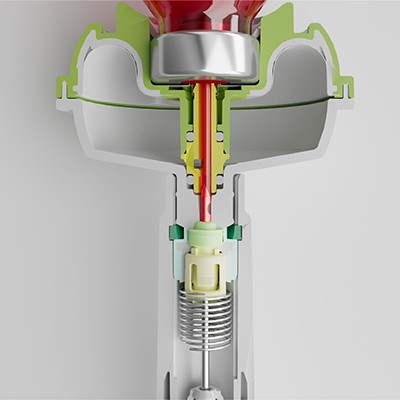
The preparation, transfer and administration of hazardous drugs represent not only clinical operations but also highly regulated safety domains. In oncology settings where cytotoxic, biological and immunological agents are used, occupational exposure and environmental contamination pose serious risks. International standards establish structured safety frameworks for hazardous drug management.
USP <800> defines comprehensive standards for the safe handling of hazardous drugs within healthcare facilities. It includes requirements such as:
Although US-based,
USP <800> serves as a global reference point for healthcare institutions and manufacturers.
NIOSH Guidelines and Hazardous Drug Lists
NIOSH classifies hazardous drugs and defines exposure risks. Its list includes:
NIOSH recommends engineering controls, particularly CSTD technology, to reduce occupational exposure.
European MDR and CE Compliance
Within the European Union, medical devices must comply with the Medical Device Regulation (MDR). Hazardous drug transfer systems must meet:
Why Regulatory Compliance Is Strategic
✔ Ensures legal security
✔ Enhances patient and user safety
✔ Strengthens global market positioning
✔ Supports institutional quality culture
Clinical safety is reinforced through regulatory alignment and system-based implementation.